Wind Tunnel
Supports experimental aerodynamics, propeller testing, spray studies, and controlled research measurements.
The wind tunnel, water tunnel, and flight simulator give students a place to turn ideas into measurements. These facilities support hands-on teaching, student-led research, and experimental work across aerodynamics, propulsion, flow diagnostics, and aircraft design.
Supports experimental aerodynamics, propeller testing, spray studies, and controlled research measurements.
Supports flow visualization and instructional demonstrations that help connect wake structure to physical intuition.
Supports applied flight education, project-based learning, and integration of aircraft design with operational understanding.
These images show the facilities used for experimental work across the group. Flight-simulator images are not currently included on this page.
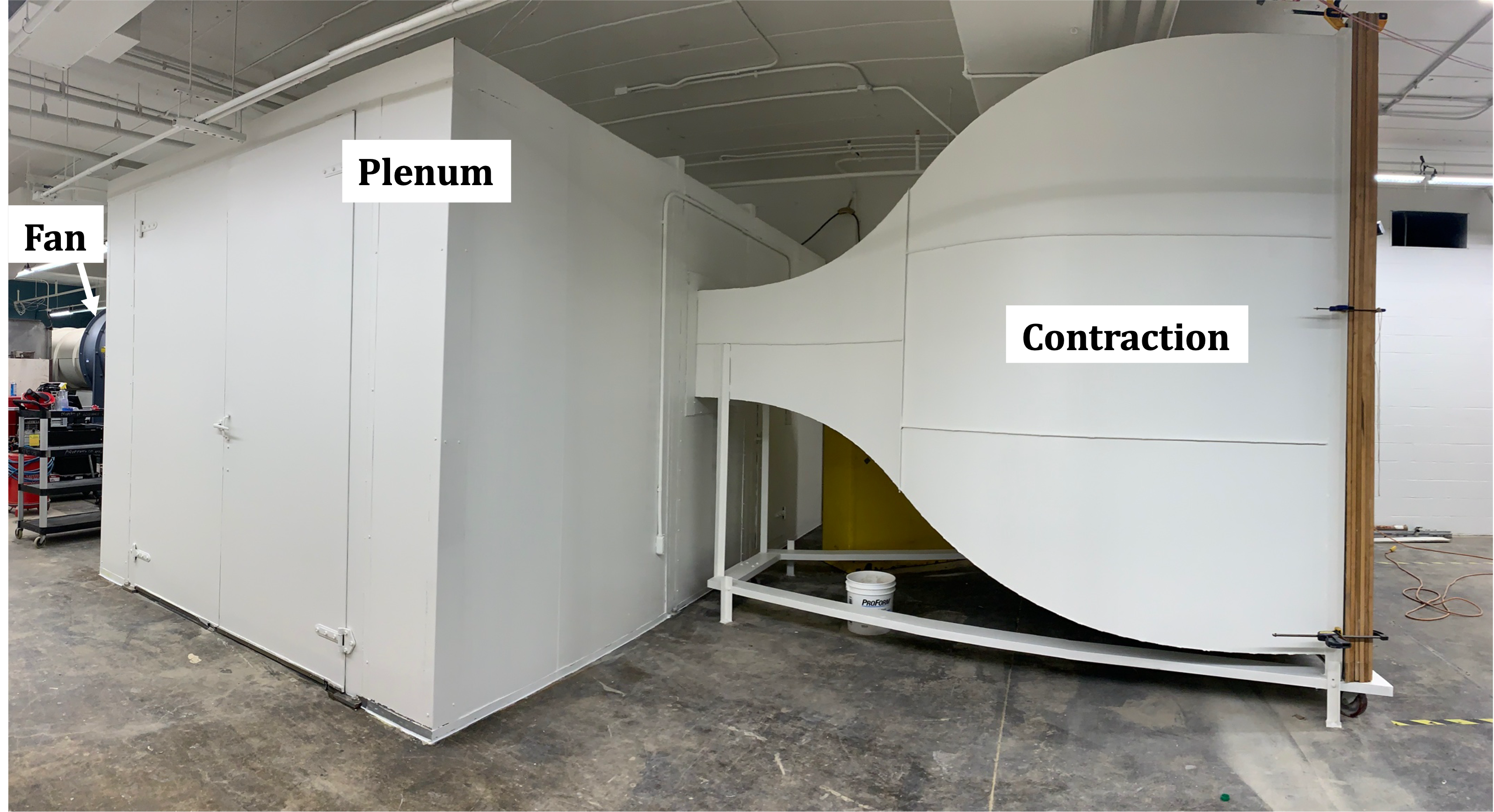
Overall view of the low-speed wind tunnel facility used for experimental aerodynamics, propeller studies, and controlled test campaigns.
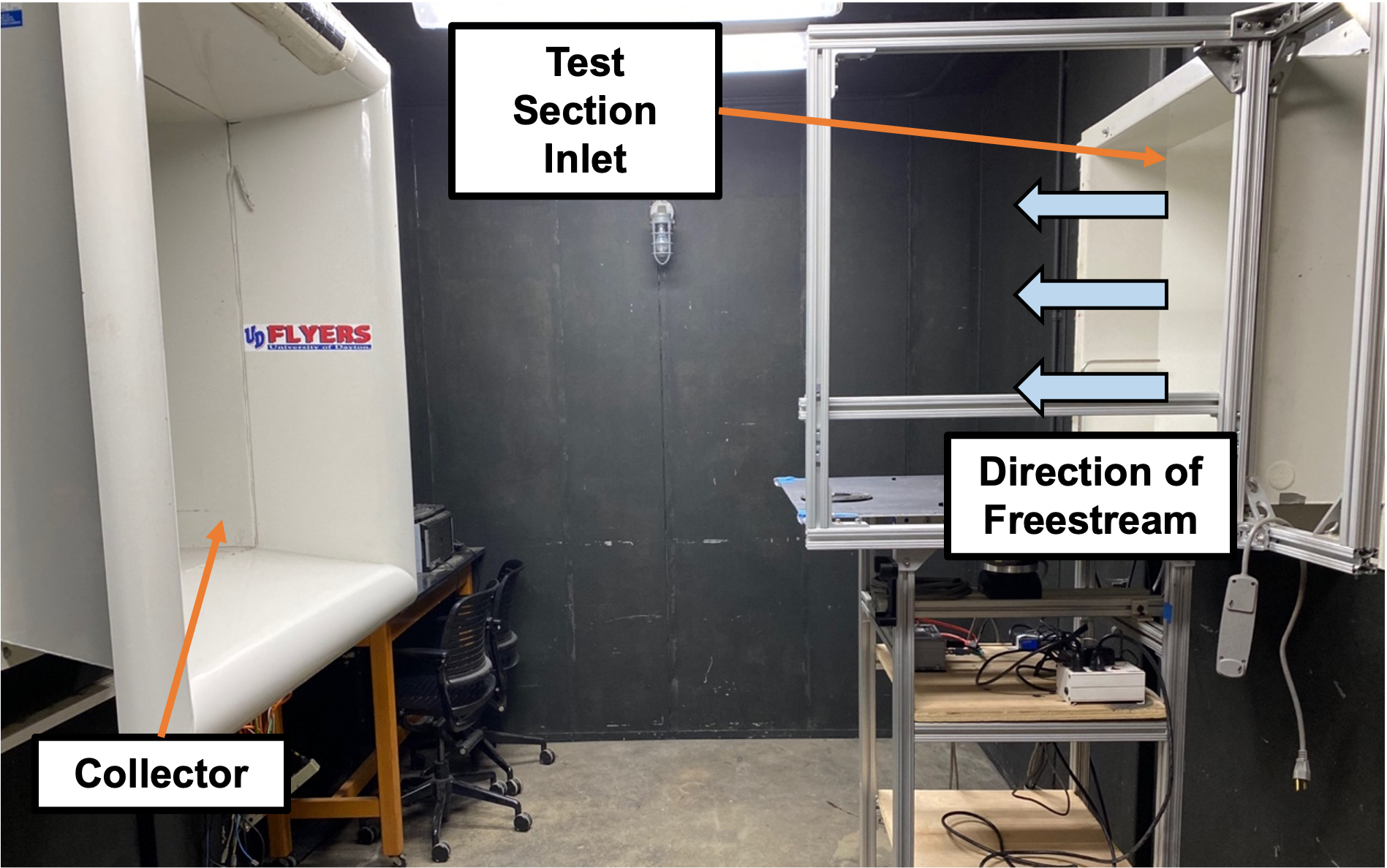
Test-section image showing the measurement area where aerodynamic models and instrumentation can be mounted and evaluated.
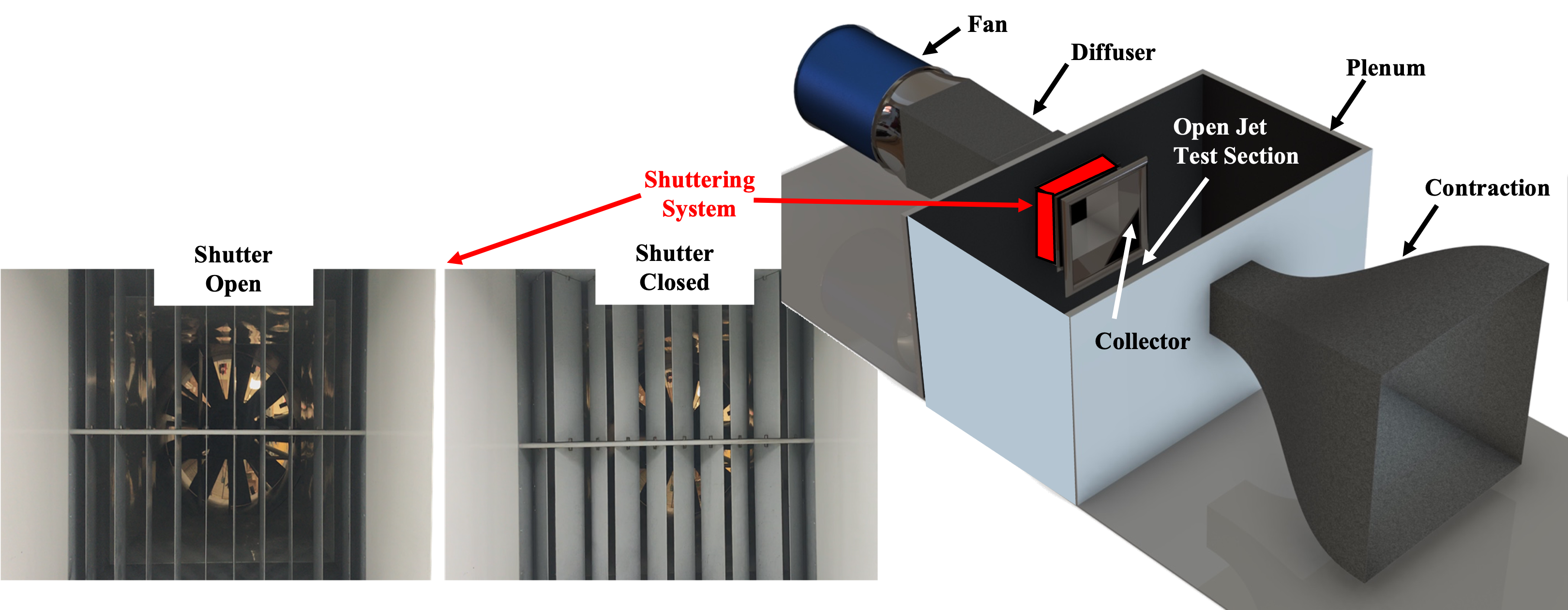
Supporting wind-tunnel hardware that shows the broader experimental infrastructure available around the test section.
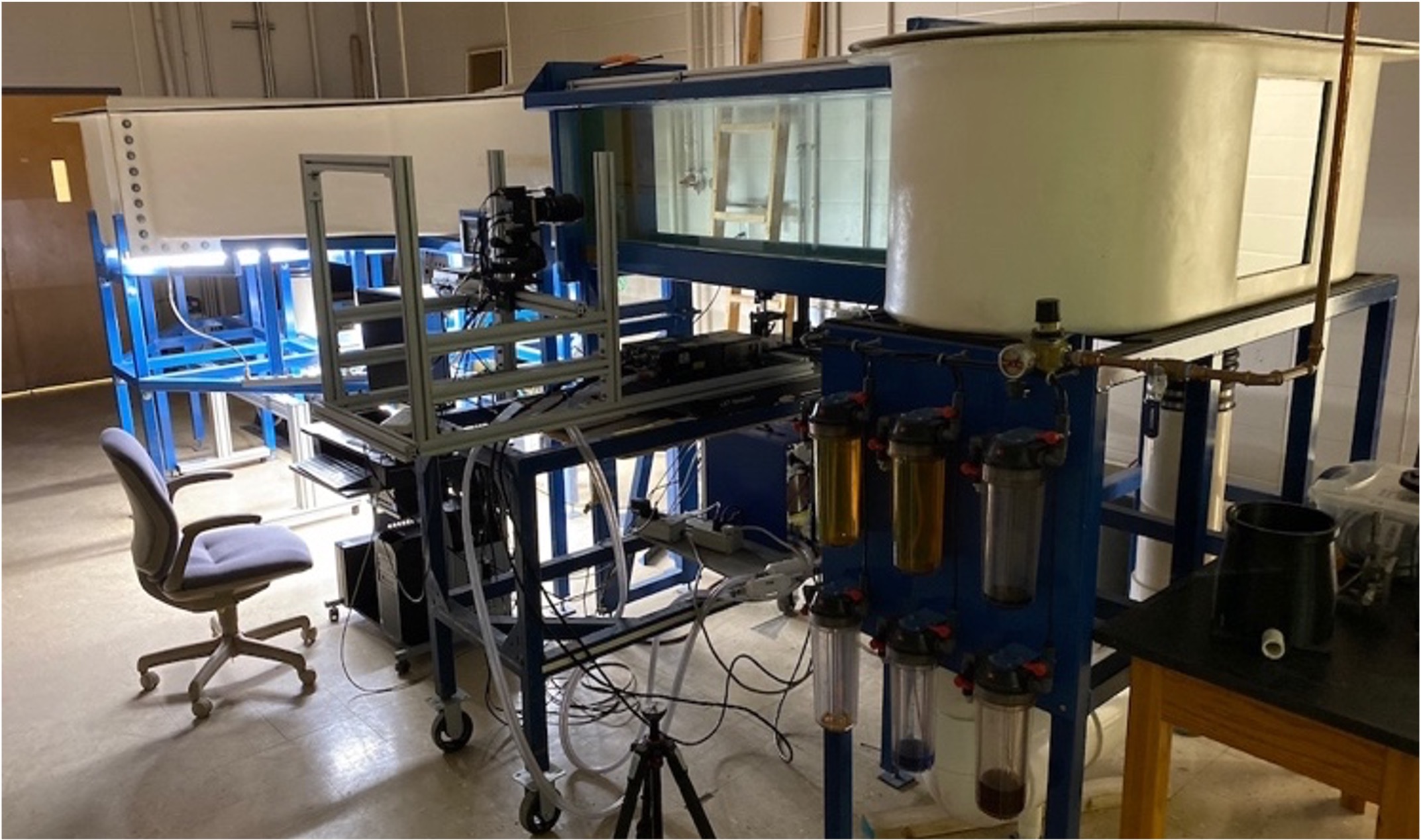
Water tunnel image used for flow visualization and instructional demonstrations that make wake structure and vortex behavior easier to observe.
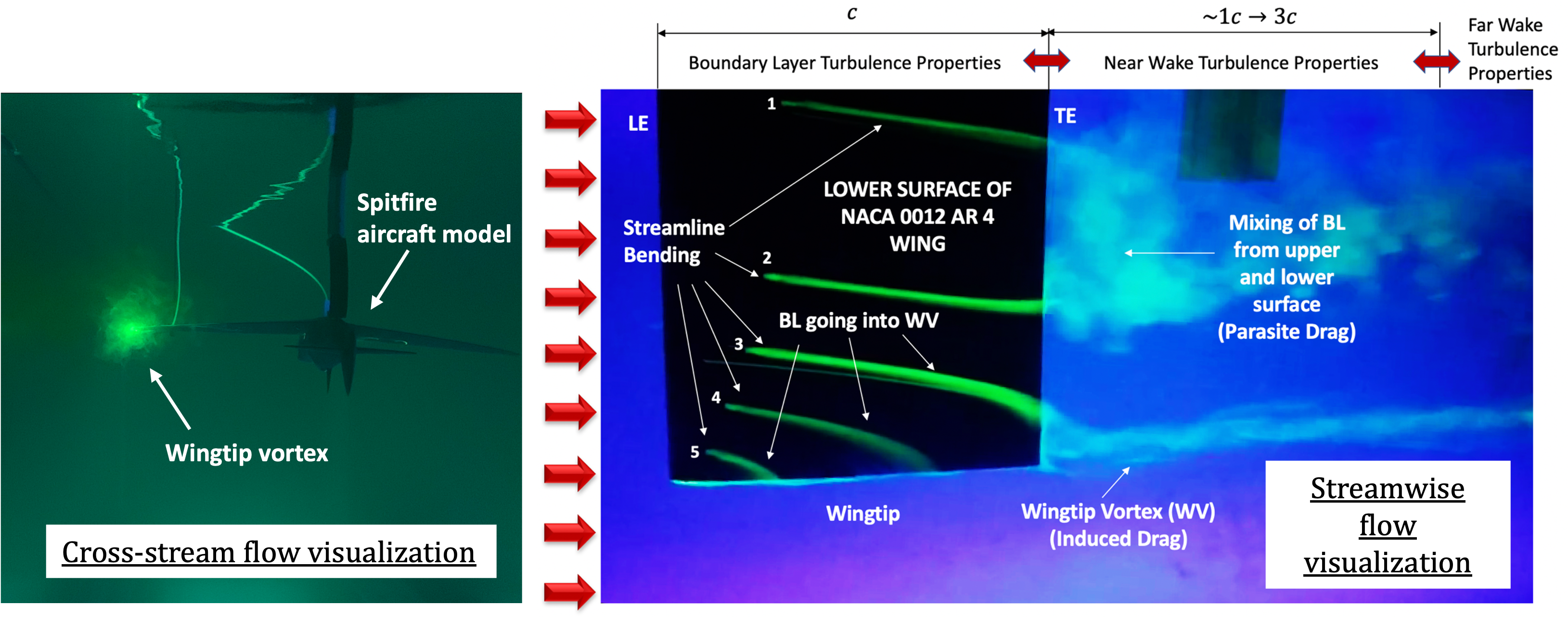
Example setup showing how experiments and demonstrations are arranged within the water-tunnel facility.
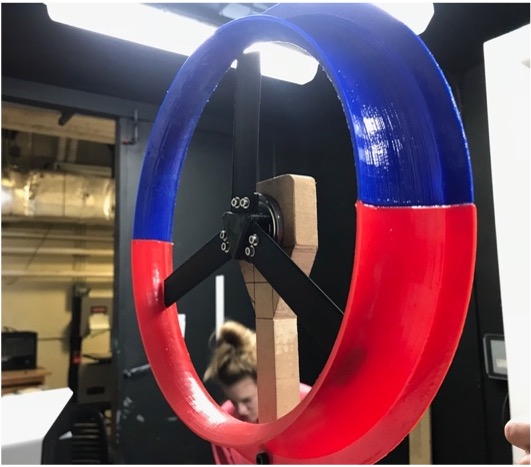
Example hardware tested in the wind tunnel, illustrating the kinds of aerodynamic experiments and prototype evaluations carried out in the facility.